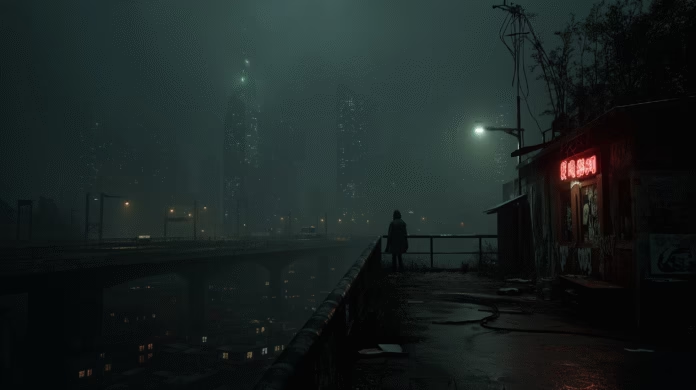
Based on the article, Blumhouse Games and EYES OUT have unveiled that their upcoming psychedelic horror title, SLEEP AWAKE, will launch on December 2 for PC, Xbox Series X|S, and PlayStation 5. Developed by EYES OUT, a studio led by Cory Davis of Spec Ops: The Line and Nine Inch Nails guitarist Robin Finck, the game promises a surreal, immersive experience that blends psychological horror with a narrative-driven exploration of sleep, death, and human consciousness. Set in a decaying metropolis plagued by a mysterious force known as “The HUSH,” players must navigate nightmarish environments and unravel existential mysteries while avoiding madness.
This announcement is significant for the gaming industry as it marks Blumhouse Games’ continued expansion into interactive media, leveraging cinematic horror expertise to push the boundaries of narrative-driven gaming. By combining atmospheric storytelling, innovative sound design, and a star-studded creative team, SLEEP AWAKE exemplifies the growing trend of cross-media collaborations and elevated horror experiences in games. Its release could further cement horror as a genre capable of delivering both commercial and critical success, especially as big-name studios and artists bring fresh perspectives to the medium.
The launch of SLEEP AWAKE by Blumhouse Games and EYES OUT is emblematic of the accelerating convergence between film and interactive entertainment, especially within the horror genre. Historically, cinematic horror franchises have struggled to translate their atmospheric tension and narrative complexity into games, but recent successes, such as Resident Evil’s resurgence and titles like Alan Wake II, demonstrate a renewed appetite for sophisticated, story-driven horror experiences. Blumhouse’s entry into gaming, bolstered by talent from both acclaimed game development and music, signals growing confidence among film studios that interactive media can extend and even redefine their creative legacies. The main challenge will be meeting high player expectations for innovation in both gameplay and storytelling, as cross-media efforts are often scrutinized for superficial adaptation rather than meaningful integration. Looking forward, I expect to see more high-caliber partnerships between Hollywood and game studios, with horror remaining a testing ground for experimental narratives and immersive sensory design, potentially reshaping what audiences expect from both mediums.