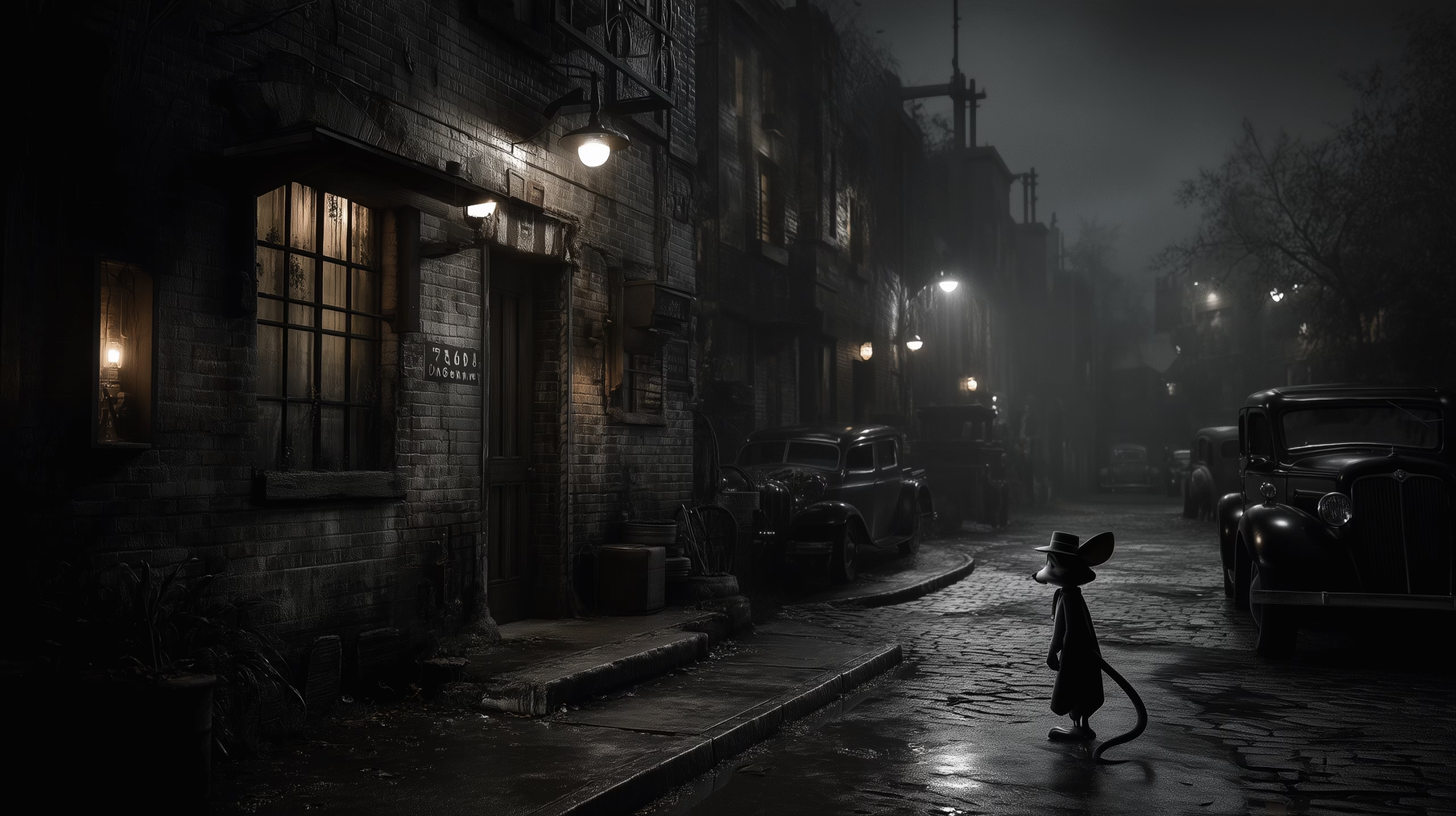
Based on the article, Mouse: PI for Hire is poised to fill the niche left by Cuphead, bringing a striking, hand-drawn animation style inspired by 1930s cartoons to a new genre: the first-person shooter. While Cuphead wowed players in 2017 with its painstakingly crafted visuals and challenging gameplay, Mouse sets itself apart with a noir detective theme, starring Jack Pepper (voiced by Troy Baker) as an early-20th-century gumshoe navigating a world of crime and conspiracy. The game’s black-and-white aesthetic, rubbery gun animations, and 2D characters in a 3D environment evoke the era of Steamboat Willie while introducing inventive gameplay mechanics, such as lockpicking, reconnaissance, and dynamic combat featuring weapons that playfully interact with the cartoon world. What makes Mouse significant for the gaming industry is its commitment to hand-crafted artistry in an era dominated by digital shortcuts and procedural generation. By blending classic animation with modern FPS mechanics and self-aware humor, Mouse demonstrates that there’s still appetite—and room—for unique, visually ambitious indie projects. If Mouse can deliver engaging gameplay to match its distinctive aesthetic, it could inspire a new wave of games that prioritize artistic vision and creative risk-taking, echoing the impact Cuphead had on both players and developers. This could mark a renaissance for animated art styles in gaming, pushing the industry to revisit and reinvent classic forms for a new generation.
Mouse: PI for Hire represents a fascinating evolution in the ongoing dialogue between artistry and innovation within indie game development. The decision to embrace a hand-drawn, 1930s animation style—especially in the FPS genre—signals both a reverence for gaming’s artistic heritage and a willingness to disrupt genre conventions, much like Cuphead did for run-and-gun platformers. Historically, games that take such stylistic risks—think Okami, Cuphead, or even Hollow Knight—have not only differentiated themselves in the marketplace but also expanded players’ expectations of what games can look and feel like. However, sustaining player engagement will require Mouse to back its visual identity with substantive, inventive gameplay, a challenge that has tripped up many style-first titles in the past. If successful, Mouse could catalyze a broader resurgence of ambitious, hand-crafted art styles and narrative experimentation in indie and even AAA circles, reflecting an industry increasingly hungry for authenticity and creative risk amid a sea of formulaic releases.