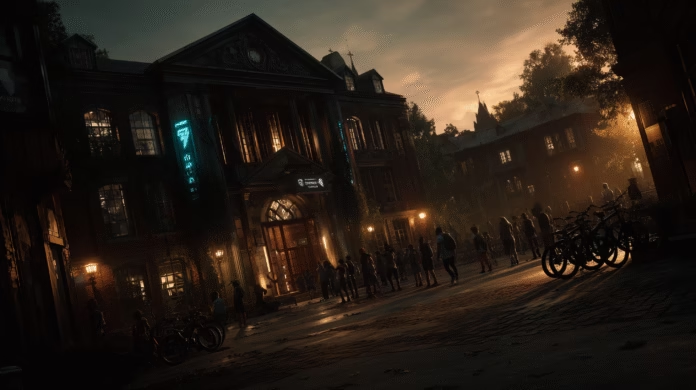
Based on the article, Rockstar Games’ cult classic Bully is getting an unexpected revival in the form of Bully Online, a fan-made sandbox multiplayer project led by YouTuber SWEGTA. Unlike the original’s single-player schoolyard drama, Bully Online promises a Grand Theft Auto Online-inspired experience, allowing players to connect, compete in minigames and races, and roleplay together in the world of Bullworth Academy. Early access is planned for December, with full release next year, though it remains unofficial and not endorsed by Rockstar Games. This ambitious mod highlights the enduring passion of the Bully fanbase and the industry’s increasing trend of community-driven revivals for beloved but neglected IPs. However, the project’s reliance on Rockstar’s intellectual property raises the specter of potential legal challenges from Take-Two, the franchise’s publisher, which has a history of shutting down fan projects. If allowed to flourish, Bully Online could not only reignite interest in the Bully series but also underscore the growing demand for multiplayer experiences in classic single-player franchises—something major publishers may want to keep an eye on.
Bully Online is a fascinating example of how dedicated fan communities can breathe new life into dormant franchises, especially as publishers like Rockstar focus resources on marquee titles such as Grand Theft Auto and Red Dead Redemption. Historically, we have seen fan-driven projects both catalyze official revivals (as with the Sonic Mania phenomenon) and draw swift legal pushback (notably from Take-Two against GTA mods), so the project’s long-term viability is far from assured. The move to a multiplayer sandbox format both aligns with industry-wide shifts toward shared online experiences and highlights the untapped potential in Rockstar’s IP portfolio, suggesting publishers may be leaving value on the table by neglecting legacy brands. Should Bully Online gain traction, it could pressure Rockstar to reassess its approach to both legacy content and community engagement, potentially opening doors for similar fan-led initiatives or even official spin-offs. Ultimately, this project underscores a larger trend: as development tools and online communities empower grassroots creativity, publishers must navigate the delicate balance between IP protection and fostering the innovation that keeps their brands relevant.